What Is the Main Cause of Keratoconus?

What Is the Main Cause of Keratoconus?

What Is the Main Cause of Keratoconus?

What Is the Main Cause of Keratoconus?

What Is the Main Cause of Keratoconus?

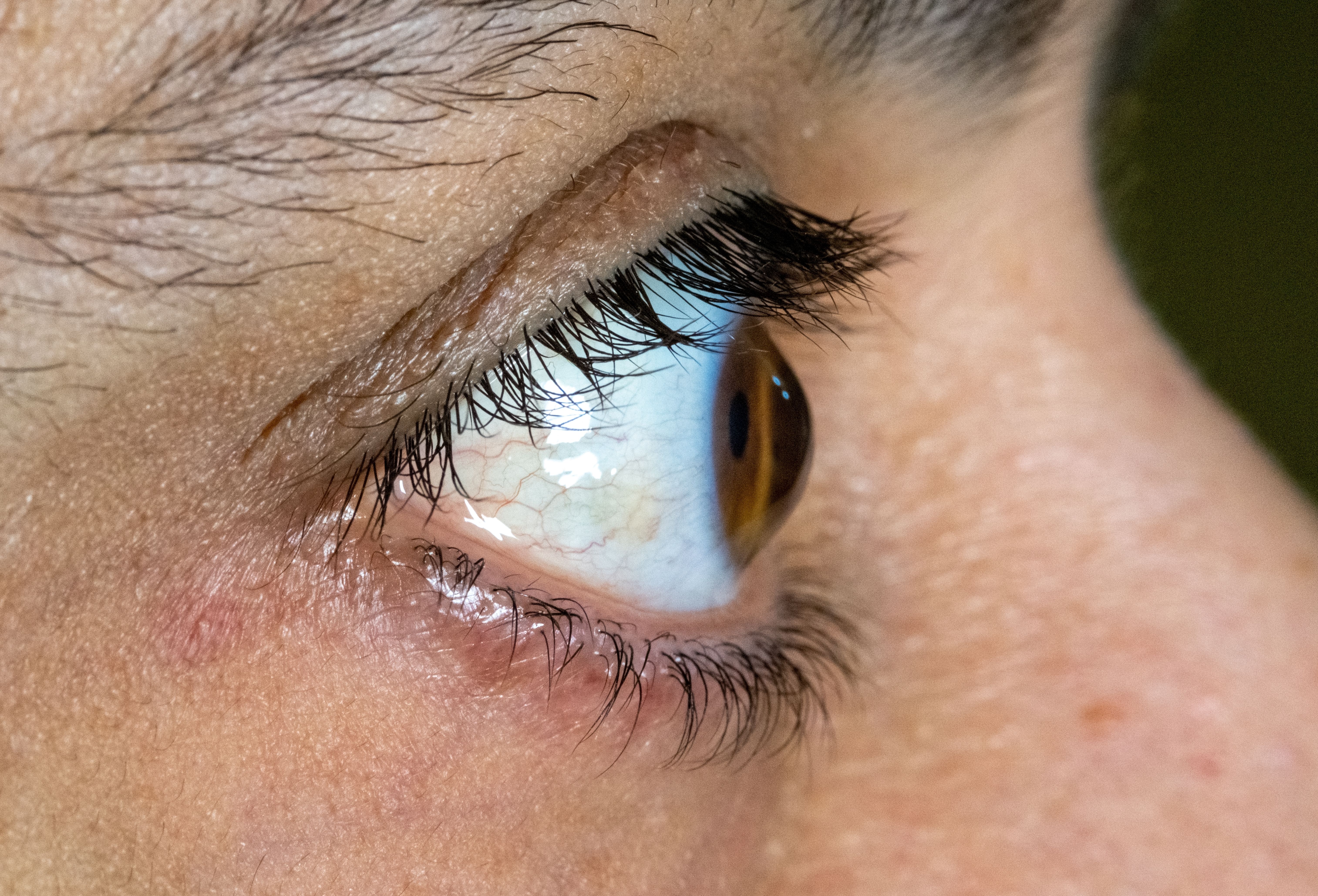
Keratoconus is a progressive eye condition that affects the structure of the cornea, causing it to thin and bulge into a cone-like shape. This distortion can lead to blurred vision, increased sensitivity to light, glare, and frequent prescription changes.
Understanding the Root Cause of Keratoconus
The primary cause of keratoconus is believed to be a structural weakness within the corneal tissue. The cornea is made up of layers of collagen fibers that provide strength and maintain its round shape. In keratoconus, these fibers weaken, allowing the cornea to thin and protrude outward.
When protective mechanisms are compromised, the tissue becomes more vulnerable to damage from free radicals. Over time, this damage can weaken the corneal structure and contribute to the development and progression of keratoconus.
Contributing Risk Factors
Although structural weakness is central to keratoconus, several contributing factors may increase risk or accelerate progression:
- Genetics: Keratoconus often runs in families, suggesting a hereditary component.
- Eye Rubbing: Chronic or vigorous eye rubbing is strongly associated with corneal thinning.
- UV Exposure: Prolonged ultraviolet light exposure may contribute to oxidative stress in the cornea.
- Poorly Fitting Contact Lenses: Ill-fitting lenses can cause chronic irritation and mechanical stress.
- Chronic Eye Inflammation or Allergies: Persistent irritation may worsen corneal instability.
Keratoconus typically begins during the teenage years or early adulthood and can progress for several years before stabilizing.
How Is Keratoconus Diagnosed?
Advanced diagnostic tools such as corneal topography allow eye doctors to map the surface of the cornea and identify subtle changes long before vision significantly declines. Regular comprehensive eye exams are especially important for individuals with a family history of keratoconus or those who experience frequent prescription changes.
Treatment Options for Keratoconus
While keratoconus cannot be reversed, modern treatments can effectively manage the condition and help preserve vision. At Beachwood Family Eye Care, treatment recommendations depend on the severity and progression of the disease.
Available treatment options include:
- Custom Soft Contact Lenses: Designed for mild cases to improve vision clarity.
- Hybrid Contact Lenses: Feature a rigid center and soft outer ring for improved stability and comfort.
- Scleral and Semi-Scleral Lenses: Vault over the cornea to provide excellent vision and comfort in moderate to advanced cases.
- Gas Permeable Contact Lenses: Provide a smooth optical surface for sharper vision.
The goal of treatment is to stabilize the cornea, improve vision, and reduce the need for more invasive procedures whenever possible.
The Importance of Early Detection
Keratoconus is progressive, meaning it can worsen over time if left untreated. Early diagnosis allows for timely intervention - particularly with corneal cross-linking - which can significantly slow progression and protect long-term vision.
If you or your child experience frequent prescription changes, blurred vision that doesn’t fully correct with glasses, or increased light sensitivity, it may be time for a specialized evaluation.
Protect Your Vision Before Keratoconus Progresses
The main cause of keratoconus lies in the weakening of the cornea due to structural and biochemical imbalances that make it vulnerable to oxidative damage. While genetics and environmental factors like eye rubbing and UV exposure can contribute, early detection and proper management are key to preserving vision.
If you have concerns about keratoconus or have been diagnosed and are exploring treatment options, the team at Beachwood Family Eye Care is here to help. Visit our office in Beachwood, Ohio, or call (216) 815-1810 to book an appointment today.


3783 S. Green Rd.
Beachwood, OH 44122 Get Directions
Beachwood, OH 44122 Get Directions
- Monday11:00 AM - 6:00 PM
- Tuesday9:00 AM - 5:00 PM
- Wednesday9:00 AM - 5:00 PM
- Thursday9:00 AM - 5:00 PM
- Friday By Appointment Only
- SaturdayClosed
- SundayClosed
© 2026 Beachwood Family Eye Care - All Rights Reserved - Accessibility Statement - Privacy Policy - Sitemap
Powered by